- Home
- Important Dates
- Organizing Committee
- Scientific Program
- Abstract Submission
- Registration
- Presentation Guide
- Venue & Location
- Accommodation
- Registration Fee Waiver
- Exhibitors & Sponsors
Gdansk, Poland – In-situ and operando monitoring
of electrified interfaces
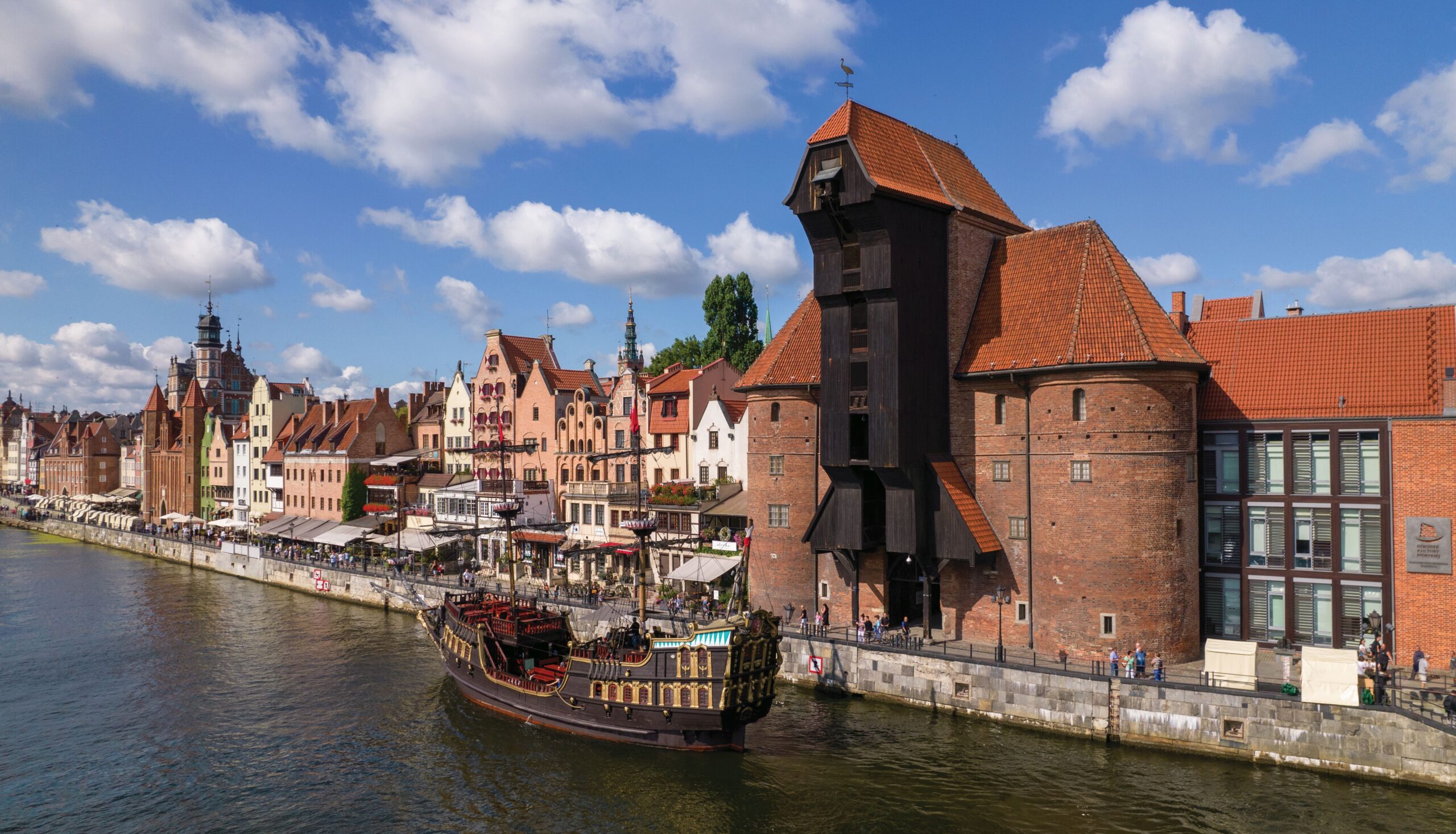
You are cordially invited to the 43rd Topical Meeting of the International Society of Electrochemistry, which will be held in Gdańsk, Poland, and hosted by the Gdańsk University of Technology, one of the most respected technical universities in Poland.
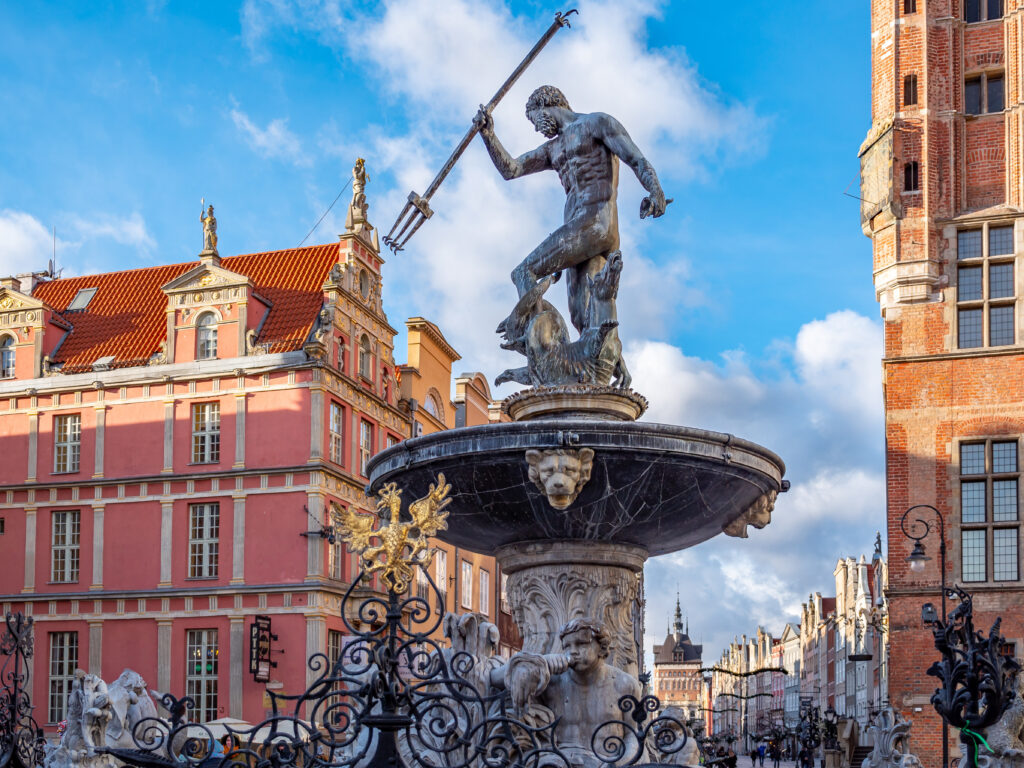
The charming atmosphere of the vibrant city, blending history evidenced by numerous landmarks, and the university’s focus on innovation create an excellent environment for exchanging knowledge and advancing electrochemistry. Be a part of this event!

Important Dates
- Opening date for abstract submission: 19 March 2026
- Opening date for registration: 5 May 2026
- Deadline for abstract submission: 1 June 2026
- End of early registration: 21 July 2026
- Registration deadline for presentation(s): 4 August 2026
- (All presenting authors of accepted abstracts are expected to register. Abstracts without a registered presenting author will be withdrawn from the event on 5 August 2026)
- Conference begins: 27 September 2026
Organizing Committee
Krzysztof Fic (Chair), Poznan University of Technology, Poland
Emilia Witkowska-Nery (Co-Chair), Institute of Physical Chemistry, PAS, Poland
Sara Cavaliere, Institut Charles Gerhardt, Montpellier, France
Katrin F. Domke, University of Duisburg-Essen, Germany
Local Organizing Committee
Jacek Ryl (Co-Chair), Gdańsk University of Technology
Piotr Jasiński, Gdańsk University of Technology
Katarzyna Siuzdak, The Szewalski Institute of Fluid – Flow Machinery PASci
Robert Bogdanowicz, Gdańsk University of Technology
Justyna Lubośna, Gdańsk University of Technology
Symposia organizers
Katarzyna Siuzdak, (IMP PAN, Poland)
Larysa Baraban, (Helmholtz Center Dresden, Germany)
Fabiana Arduini, (University of Rome Tor Vergata, Italy)
Sławomir Sęk, (University of Warsaw, Poland)
Jakub Szlachetko, (NCPS Solaris, Poland)
Michael Hirtz, (Karlsruhe Institute of Technology, Germany)
Wojciech Simka, (Silesian University of Technology, Poland)
Nianjun Yang, (University Hasselt, Belgium)
Rodrigo A.A. Munoz, (Uberlandia Federal University, Brazil)
Scientific Scope of the Conference
Electrochemistry is now progressing in many areas—from energy storage and conversion, electrocatalysis, corrosion, sensing, to bioelectrochemistry and drug development. In all these fields, innovative characterization techniques are vital for better understanding the phenomena and making further advances. In this context, the meeting will provide a platform for knowledge sharing and serve as a valuable opportunity to review recent achievements in these areas quickly. It will also facilitate networking among different sections and divisions of the ISE, especially for members from Central and Eastern Europe.
List of Symposia:
- Symposium 1: Smart Interfaces & Electrochemical Systems for Health, Safety & Food, co-organized by Katarzyna Siuzdak (IMP PAN, Poland), Larysa Baraban (Helmholtz Center Dresden, Germany), andFabiana Arduini (University of Rome Tor Vergata, Italy)
- Symposium 2: Decoding Electrocatalysis with In-Situ and Operando Techniques, co-organized by Sławomir Sęk (Warsaw University, Poland), Jakub Szlachetko (NCPS Solaris, Poland), and Michael Hirtz (Karlsruhe Institute of Technology, Germany)
- Symposium 3: Electrochemical Interfaces, Materials & Architectures, co-organized by Wojciech Simka (Silesian University of Technology, Poland), Nianjun Yang (University Hasselt, Belgium), and Rodrigo A.A. Munoz (Uberlandia Federal University, Brazil)
Topics of interest include, but are not limited to:
• In-situ spectroscopies and real-time imaging of electrochemical interfaces
• Time-resolved electrochemical techniques for analyzing transient processes
• Integration of microfluidics and sensors with operando measurements
• Data-driven approaches and modelling of complex interfacial behaviours
• Design and engineering of experimental setups operating in dynamic environments.
The rapid growth of functional electrochemical systems for energy, sensing, catalysis, and environmental technologies increases the need to explore and understand complex, dynamic processes at interfaces, making this task more important than ever.
Therefore, we look forward to contributions that highlight innovative techniques, essential insights, or application-focused research on interfacial electrochemical phenomena.
Keynote Lecturers:
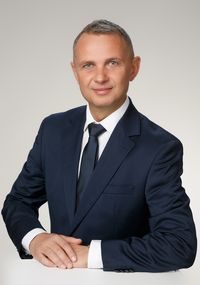
Grzegorz D. Sulka, Jagiellonian University in Krakow, Poland
Professor Grzegorz D. Sulka is widely recognised for his influential work in improving our understanding of nanostructured metal oxides and their applications in sustainable energy technologies. He is Head of the Electrochemistry Group at the Faculty of Chemistry at Jagiellonian University and specialises in physical chemistry, electrochemistry, and advanced nanomaterial fabrication.
He focuses his research on designing, synthesising and characterising nanostructured metal oxides, chalcogenides, nanowires and photoelectrodes, paying particular attention to environmentally friendly and scalable approaches. His contributions span photoelectrochemical water splitting, photocatalysis, electrocatalysis, and functional surface engineering, establishing his position at the forefront of materials research related to renewable energy. He earned his chemistry degree in 1994 and his PhD in 1999 (for his thesis on silver ion cementation kinetics on copper), followed by his habilitation in 2012 and his professorship in 2018, all from Jagiellonian University. Throughout his career, Professor Sulka has achieved pioneering advances in self-organised anodic porous alumina and other nanostructured materials, making significant strides in the anodization processes employed for fabricating ordered nanopores, nanotubes, and nanowires. These architectures underpin innovations in energy conversion and storage, sensing technologies, and photocatalysis.
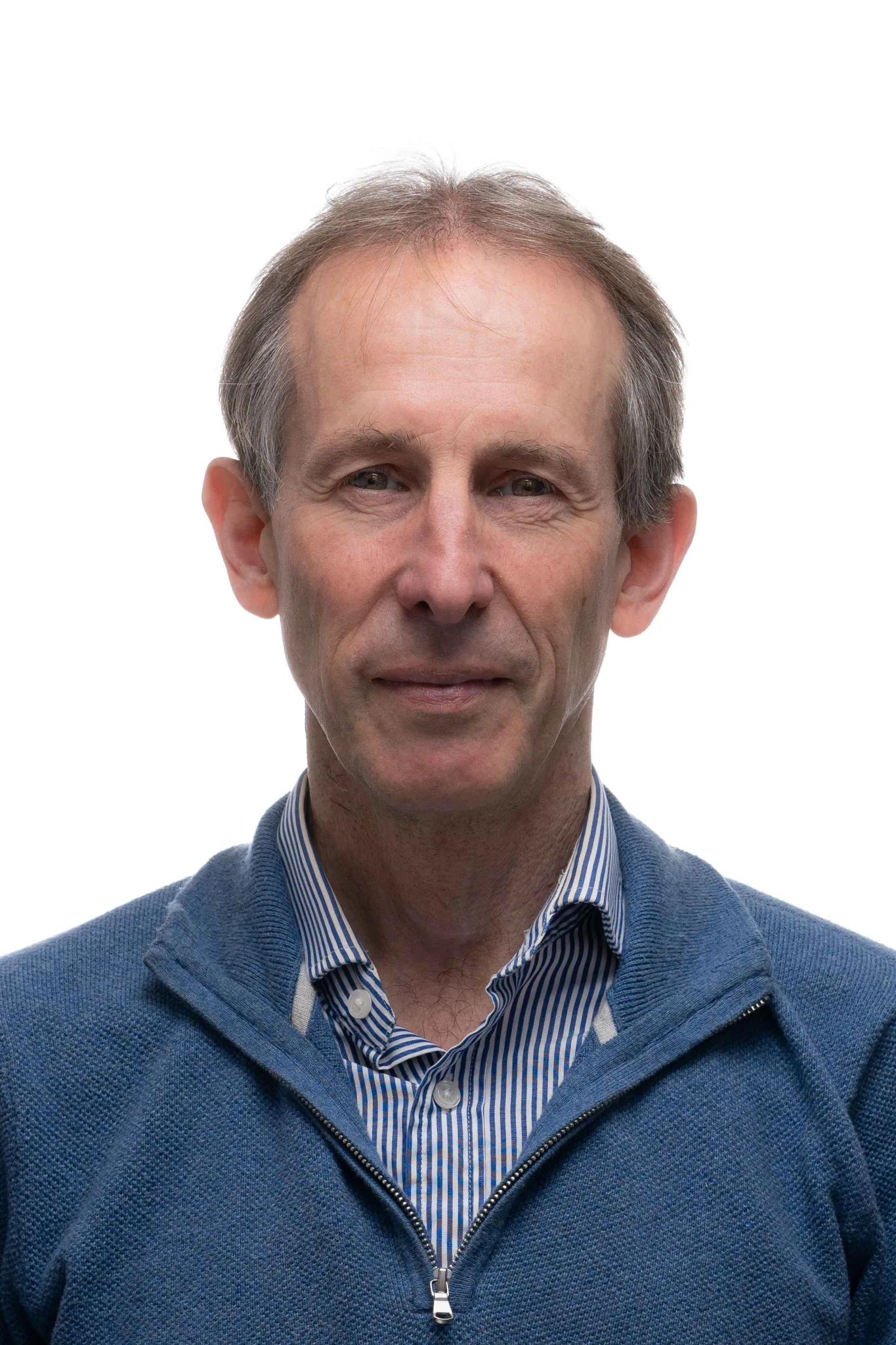
Jeremy Baumberg, University of Cambridge, UK
Professor Jeremy Baumberg directs the NanoPhotonics Centre, the Cambridge NanoDTC and NanoForum. A Fellow of Jesus College and the Royal Society, he is internationally recognised for his pioneering work in nanophotonics, plasmonics, metamaterials, and quantum nanoscience.
After being educated at the University of Cambridge (BA in 1988, PhD in 1993), he held research positions at UCSB (as an IBM Fellow), the Hitachi Cambridge Laboratory, and the University of Southampton, where he co-founded Mesophotonics Ltd. He joined Cambridge in 2007 and established one of the world’s most influential centres for extreme nanophotonics.
Professor Baumberg’s research focuses on creating nanostructured materials with extraordinary optical properties. This ranges from pioneering sub-nanometre plasmonic cavities for single-molecule sensing, to developing kilometre-scale photonic materials such as polymer opals. His work on confining light to atomic-scale volumes has transformed applications in sensing, catalysis, energy and quantum technologies.
He is a highly cited researcher who has received numerous awards, including the Royal Society Rumford Medal (2014), the Royal Society Mullard Award (2004), the Institute of Physics Young Medal (2013), and the IOP Faraday Medal (2017). He holds patents in photonics, plasmonics and optical materials, and his research has led to the development of several commercial technologies. Professor Baumberg is also involved in national research strategy, serving as an advisor to ARIA and as a member of the EPSRC Council.
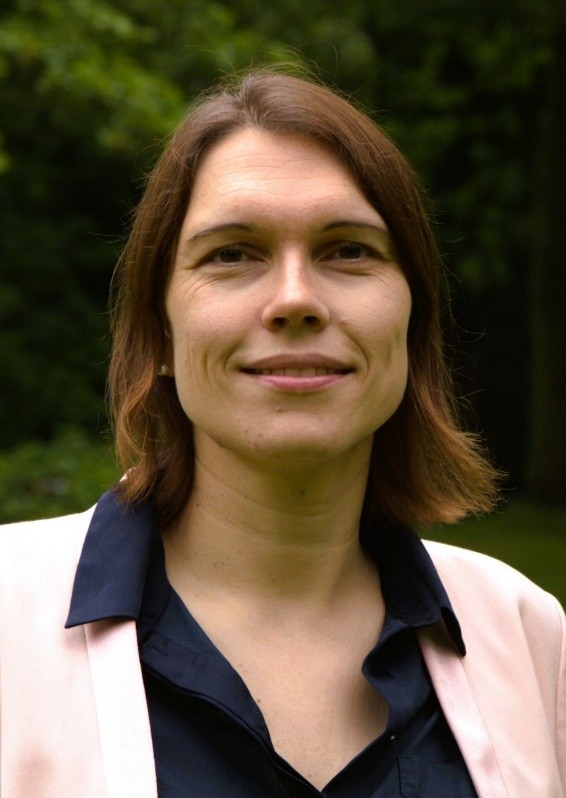
Kristina Tschulik, Ruhr University Bochum, Germany
Professor Dr Kristina Tschulik is the Chairholder of Analytical Chemistry – Electrochemistry and Nanoscale Materials at Ruhr University Bochum. Since 2021, she has been the scientific director of the chemistry-focused incubator Start4Chem. She completed her doctorate at the Leibniz-Institut for Solid State and Materials Research (IFW) Dresden in 2012 and joined the University of Oxford as a Marie Skłodowska-Curie IEF Fellow to conduct research in the field of single-nanoparticle electrochemistry. In 2015, she moved to the Ruhr University Bochum as a junior professor of micro- and nano-electrochemistry and became a full professor in 2018.
Professor Tschulik’s research focuses on the physicochemical properties and intrinsic reactivity of functional nanomaterials for renewable energy technologies. Her research group develops advanced electrochemical and spectro-electrochemical methods, including single-entity electrochemistry, magneto-electrochemistry, and electrocatalysis for water splitting and biomass valorization. She has received numerous awards for her work, including the Joachim Walther Schultze Prize (2016) and the Hellmuth Fischer Medal (2018). In 2021, she received a prestigious ERC Starting Grant for her MITICAT project, which investigates the catalytic activity of individual nanoparticles using advanced microfluidic and single-entity analysis to enable the design of optimised, environmentally friendly catalysts. Professor Tschulik was elected to the North Rhine–Westphalian Academy of Sciences and Arts in 2020 and serves as an editor at ACS Catalysis. Since 2022, she has been spokesperson for the Collaborative Research Centre SFB/TRR 247 on heterogeneous oxidation catalysis in the liquid phase.
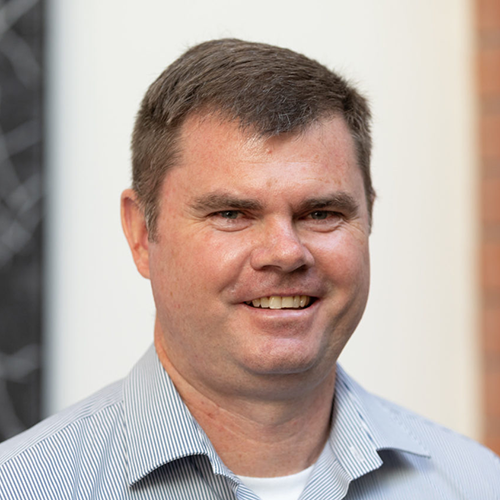
Scott Donne, University of Newcastle, Australia
Scott Donne is a Professor of Chemistry at the University of Newcastle, Australia. He has over 30 years combined industrial and academic experience researching materials for energy storage and conversion systems, including batteries, supercapacitors and fuel cells. He obtained his PhD in 1996 from the University of Newcastle, focused on manganese oxides for energy storage systems. This was followed by stints at the University of California, Santa Barbara (post-doctoral research fellowship), and Eveready Battery Company (Staff Technology Engineer). In 2001 he returned to Australia to take the Delta EMD Australia Lectureship in Applied Chemistry again at the University of Newcastle. He has also been a visiting professor at the University of Nantes (France), Beijing Institute of Technology (China), National Taiwan University (Taiwan), and the Massachusetts Institute of Technology (USA). In 2019 he was a Fulbright Senior Scholar, enabling him to visit Argonne National Laboratory and the University of California, Los Angeles. Most recently, he was awarded the 2023 Brian Conway Prize in Physical Electrochemistry from the International Society of Electrochemistry.
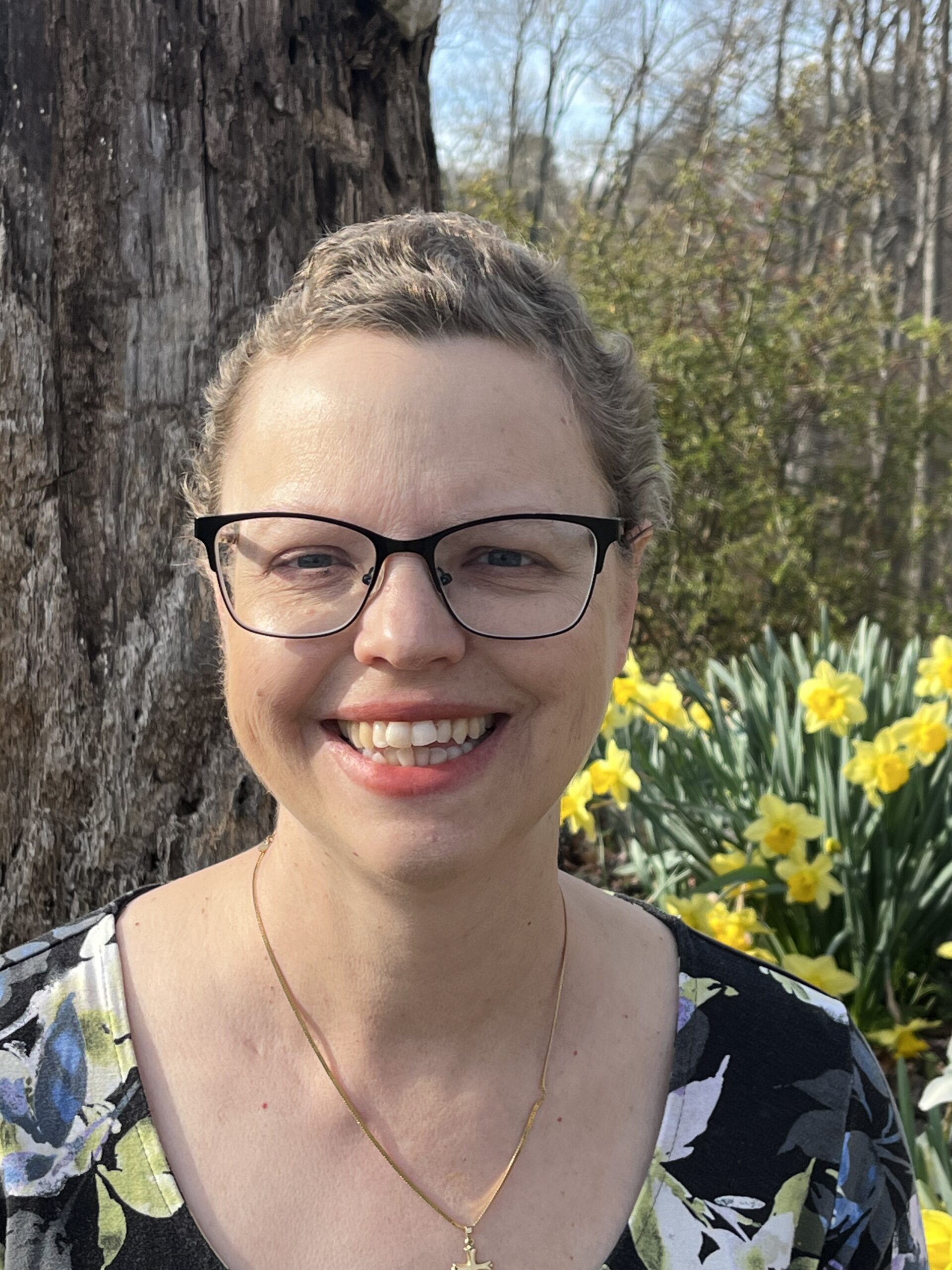
Jill Venton, University of Virginia, USA
Dr B. Jill Venton is a Thomas Jefferson Professor and the Chair of the Department of Chemistry at the University of Virginia. She is also affiliated with the Neuroscience Graduate Programme and the UVA Brain Institute. As an analytical chemist, she specialises in developing state-of-the-art electrochemical and imaging tools for studying neurotransmitter signalling in the brain.
Her laboratory is at the forefront of developing tools that enable real-time measurement of neuromodulators such as dopamine and adenosine. This advances our understanding of neurological disorders, including Parkinson’s disease, addiction, stroke and ageing. These tools include carbon fibre and carbon nanomaterial microelectrodes, 3D-printed sensors, and multiplexed electrochemical–fluorescent methods. Dr Venton earned her Bachelor of Science degree from the University of Delaware in 1998 and her PhD from the University of North Carolina at Chapel Hill in 2003, under the supervision of Mark Wightman. She then undertook postdoctoral research at the University of Michigan under the supervision of Robert Kennedy and Terry Robinson. After joining UVA in 2005, she was promoted to full professor in 2016, department chair in 2019 and endowed professor in 2023.
She has published over 100 scientific papers, holds multiple patents, and has received numerous awards, including an NSF CAREER Award, a Camille Dreyfus Teacher-Scholar Award, and an ACS Advances in Measurement Science Lectureship. She is also deeply committed to teaching innovation and science education outreach.
Abstract
The submission site is closed.
Registration
| Registration fees | *until 21 July 2026 | *after 21 July 2026 |
|---|---|---|
| Regular registration fee | EUR 530.00 | EUR 650.00 |
| Registration fee for ISE members | EUR 430.00 | EUR 540.00 |
| Student registration fee** | EUR 240.00 | EUR 290.00 |
| Student registration fee for ISE members** | EUR 190.00 | EUR 250.00 |
Registration fee includes:
attendance to all conference activities, conference program, three lunches, conference gala dinner, coffee breaks, and poster session finger food.
*Be aware that payments by bank transfer are only possible until 21 July 2026. This limitation is due to the lengthy processes of bank transfer payment to be received by ISE.
**PhD students applying for the reduced student fee should ask their supervisor to send in parallel with the on-line registration a short letter by e-mail confirming their student status to:
E-mail: events@ise-online.org
Bank transfer payments
Bank transfers can be accepted if the following instructions are followed exactly. If you do not follow these instructions and we receive a bank transfer notification with no mention of the participant ID, it is impossible to assign the payment to a person. No bank charges should be charged to meeting organizer.
(Bank transfer payment instructions)
ISE Privacy Policy Acceptance
The ISE collects and keeps record of the personal information of its members to ensure the members can enjoy fully the benefits of membership. This personal information includes the members’ name, affiliation, e-mail and phone contact. This information is collected to ensure timely communication between the members, elected ISE officials and the ISE office to ensure that the members can exercise all membership benefits guaranteed by the ISE constitution and Bylaws.
This includes:
a) Dissemination of the information about the society, ISE organized or ISE sponsored events like, e.g. conferences, workshops etc..
b) Distribution of the credentials for electronic elections and approval of ISE Budget and Financial Statement.
c) Dissemination of the news of general interest to the Society.
d) Membership dues records.
Members can update/modify their personal information via their membership account.
This personal information, or part of it, may be made available to the ISE active members in the ISE address book.
The personal information is retained securely by the ISE and the ISE will not share it with third parties. The ISE may be forced to provide this information if compelled by law to do so.
Read the complete ISE Data Protection Policy
Registration Cancellation Policy
In the event of cancellation by the delegate to participate at the meeting, the registration fee will be refunded according to the figures below. However, all processing costs will be covered by the registrant. Refunds are not given for no-shows. (N.B. Delegates with paid registrations who cancel later than 30 days before the conference begins will receive no refund of their registration fee)
Registration fee
Until 30 days before Early Registration deadline: Full refund
Until Early Registration deadline: 50% refund
After Early Registration deadline: 30% refund
Later than 30 days before the conference begins: No refund
(All refunds are minus bank and handling fees of at least Euro 25)
Liability
The conference organizers are not liable for travel, health, accidents or injury to delegates while attending and travelling to or from the meeting. Delegates are advised to carry adequate personal travel and health insurance.
Governing law and jurisdiction
These terms and conditions shall be governed by and construed in accordance with the laws of Switzerland. You hereby submit to and agree that the sole jurisdiction and venue for any actions that may arise under or in relation to the subject matter hereof shall be the courts located in Switzerland.
Presentation Guide
Oral Presentation Instructions
• Presentations must be set up prior to the beginning of the session
• Preferred: Bring your presentation on a memory stick compatible with a PC computer
Alternatively: Personal laptop computers may be used, but you must ensure compatibility with the LCD projector prior to the start of the session. Also bring a memory stick as a backup.
Overhead projectors will not be supplied except upon special request at least one month before the conference and at the speaker’s expense.
Poster Presentation Instructions
Poster presentation size: 90-cm wide × 150-cm high (The A0 portrait format (84.1-cm wide × 118.9-cm high) is recommended for the posters).
Venue and Location
Conference Venue
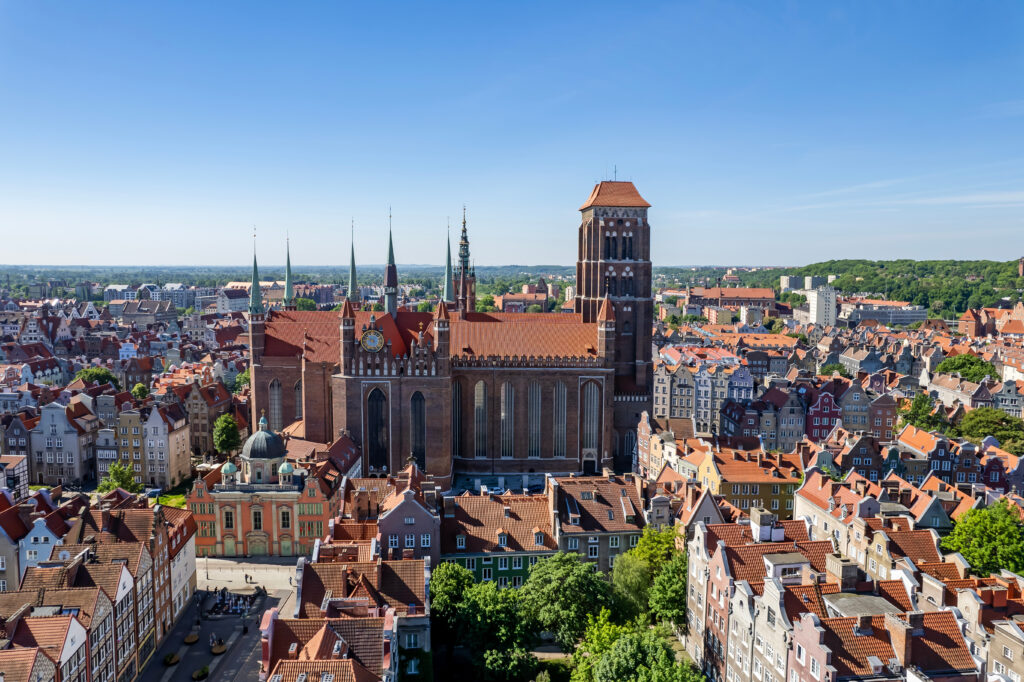
Gdańsk University of Technology (Auditoria at the Faculty of Electronics, Telecommunication and Informatics). Address: Narutowicza 11/12, 80-233
Gdańsk, Poland.
https://tinyurl.com/GdanskTech
Transportation
Gdańsk (GDN – Gdańsk Lech Wałęsa Airport) is easily accessible by air, with direct flights to many major European cities and connections to key European hubs, including Frankfurt, Munich, Warsaw, Copenhagen, Amsterdam, and London. The airport is located just 14 km from the city center, providing convenient access to the conference venue via train, bus, or taxi. Access to international motorways E28 and E75, as well as rail connections to Warsaw (2.5 hours), Kraków (6 hours), Berlin (7 hours), and many other cities, offers flexible transportation options.
Public transportation (buses, trams, regional trains) within the city is well-developed and prioritized, allowing for quick travel between locations.
https://tinyurl.com/GDNTransportation
Climate
Gdańsk’s climate is relatively continental, characterised by snowy winters and warm summers. In September, Gdańsk is mild and pleasant, with average daytime temperatures around 16 °C, making it ideal for both conference participation and outdoor explorations. Early autumn often brings clear skies and calm weather, aligning with Poland’s “Golden Autumn,” when most of the trees turn gold, red, and brown, creating a truly colorful landscape. Gdańsk experiences moderate annual rainfall, ypically ranging between 540 mm and 570 mm.
Accommodation
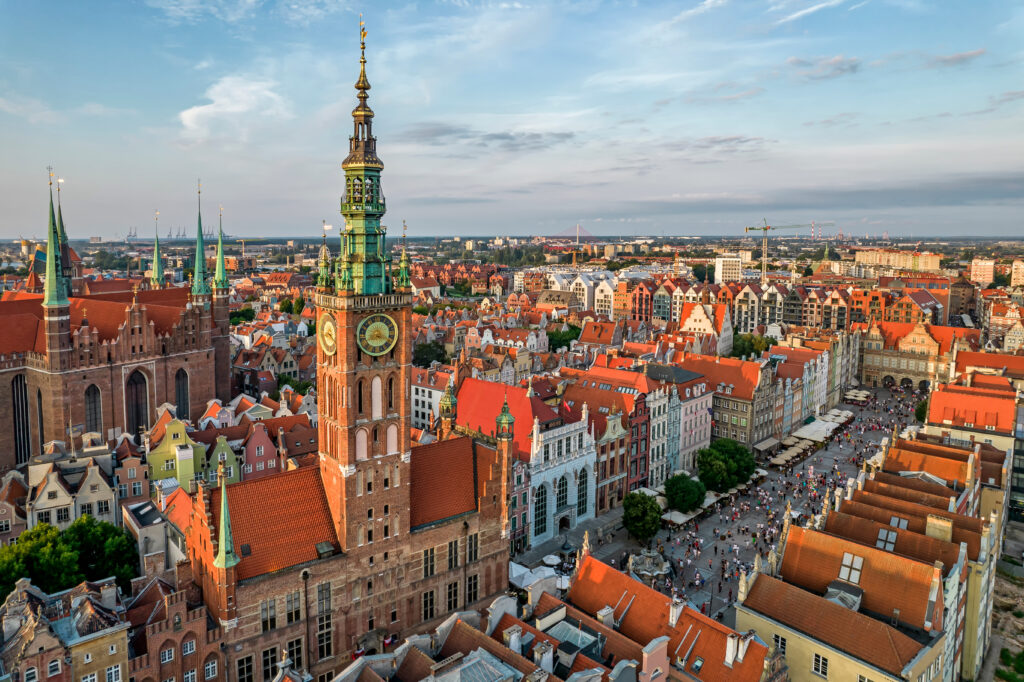
Gdańsk offers multiple options for accommodation, from cheap hostels to 5-star hotels and apartments, some of which are located in historical buildings and palaces.
https://tinyurl.com/GdanskAccomm
Registration Fee Waiver
The Fee-Waiver Program is intended to facilitate participation at Annual or Topical Meetings by scientifically and/or technically qualified scientists and engineers with financial hardships that may limit their ability to attend. Generally fee-waivers will be awarded to persons from financially disadvantaged countries.
The fee-waiver program will be governed by the following rules:
1. A maximum of 10 waivers of registration fees for the Annual Meeting and 5 waivers for the Topical Meeting may be granted.
2. Selection of recipients is limited to ISE members in good standing. The criteria for selection include scientific merit (based on the submitted abstract and application) and demonstrated financial need. Preference will be accorded to persons from countries recognized by the ISE to be financially disadvantaged.
3. The fee-waiver program will be advertised on the web site of each meeting.
4. An application for fee waiver must be sent to the ISE office no later than 1 month before the deadline for advance (early registration, reduced fee) registration.
5. Waiver applications received after the deadline will not be considered.
6. The waivers are decided by the whole Executive Committee, taking into account the criteria described in point 2 and any other relevant considerations. The decision will be communicated by email to all applicants (successful and unsuccessful) by the ISE Office at least two weeks before the deadline for advance registration.
7. In order to receive the waiver, the successful applicant must pre-register for the conference and pay the registration fee by the early registration date to ensure that an oral or poster presentation is not deleted from the program. The recipient of the waiver will receive reimbursement for the paid registration fee at the conference registration desk. If the recipient is unable to pre-register, which also means forfeiting an oral presentation, the waiver will be provided only when the recipient registers onsite at the conference.
8. The waivers are valid only for the successful applicant and may not be transferred to another participant.
9. No member may obtain waivers for both the Topical Meeting and the Annual Meeting in the same year.
10. Only applications prepared using the Application Form will be considered (Right button click, “Save target as…”).
Exhibitors and Sponsors







Exhibit at the 43rd Topical Meeting of the International Society of Electrochemistry
This ISE Topical Meeting in Gdańsk, Poland will bring together internationally recognised scientists. Typically the expected delegate number for ISE Topical meetings will be about 200 delegates.
For more information please download the
ISE Exhibition and Sponsorship TM AM 2026
43 TM POLAND Booking Form 2026.docx